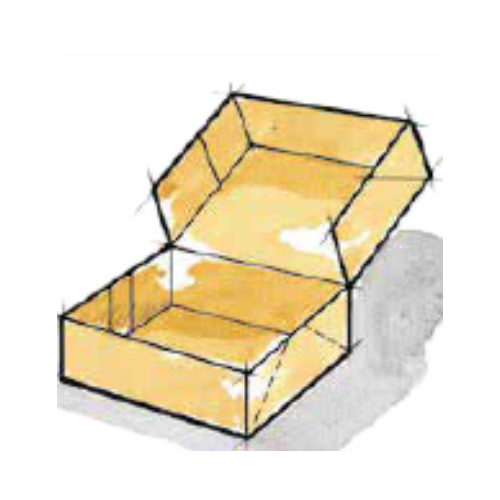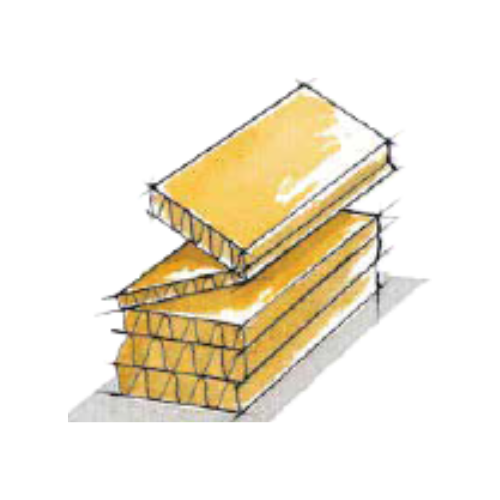
There are multiple styles of corrugated boxes and sheets. Below are some of Kyana's best selling corrugated products.

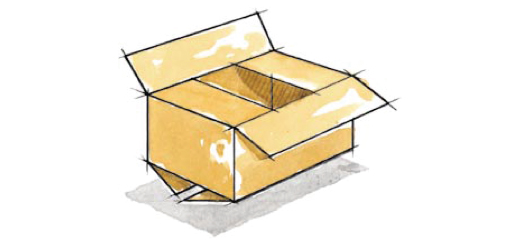
Slotted boxes are the most common corrugated box style and a reliable choice for general shipping and storage. Made from a single piece of corrugated board, the flaps fold in to fully enclose the product, providing solid protection during transit. This style is cost‑effective, versatile, and works well for a wide range of products, making it ideal when you need a simple, efficient shipping solution.

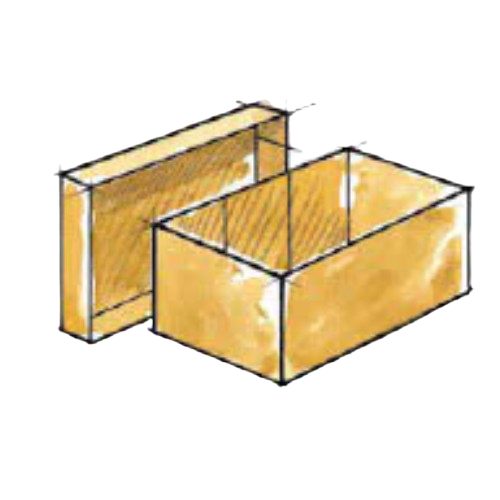
Telescope boxes consist of a separate top and bottom, with the lid sliding over the base to create added coverage and strength. This design offers extra protection on the top and bottom of the package and allows for easy access to the contents. Telescope boxes are a good option for heavier or fragile products that benefit from a snug fit and reinforced structure.

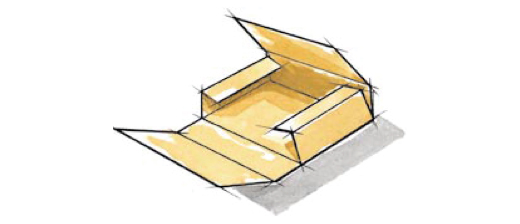
Folders are designed to wrap around flat or long products rather than enclosing them in a traditional box shape. They provide excellent surface coverage and protection for items that don’t fit well in standard cartons. This style is especially useful when you need to protect edges and surfaces while keeping packaging simple and efficient.

Rigid and bliss boxes are used when strength or presentation is a priority. Rigid boxes are often chosen for premium products where appearance and durability matter, while bliss boxes are built for heavy‑duty applications that require added structural integrity. These styles are ideal for products that need extra protection or a more polished, high‑end packaging solution.

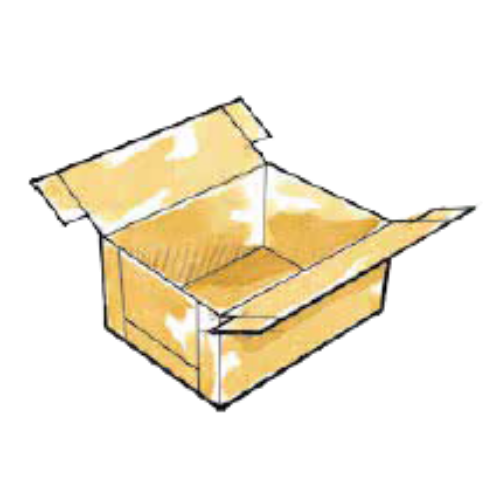
Self‑erecting boxes are designed to quickly pop into shape, making them ideal for fast‑paced packing environments. The bottom locks into place without the need for manual assembly, helping reduce pack time and improve consistency. This style is a great choice for fulfillment, kitting, and operations where speed and efficiency are important.

Interior forms are corrugated inserts used inside a box to hold products in place, separate multiple items, or add cushioning. They help reduce movement during shipping, minimize damage, and improve overall product presentation. Interior forms are especially useful for fragile items, multi‑pack shipments, or products with unique shapes.

Corrugated sheets are flat pieces of corrugated board used for layering, wrapping, or separating products. They offer a flexible and economical way to add protection without a full box or custom insert. Commonly used on pallets or between product layers, corrugated sheets help prevent scuffing, stabilize loads, and protect surfaces during storage and transit.
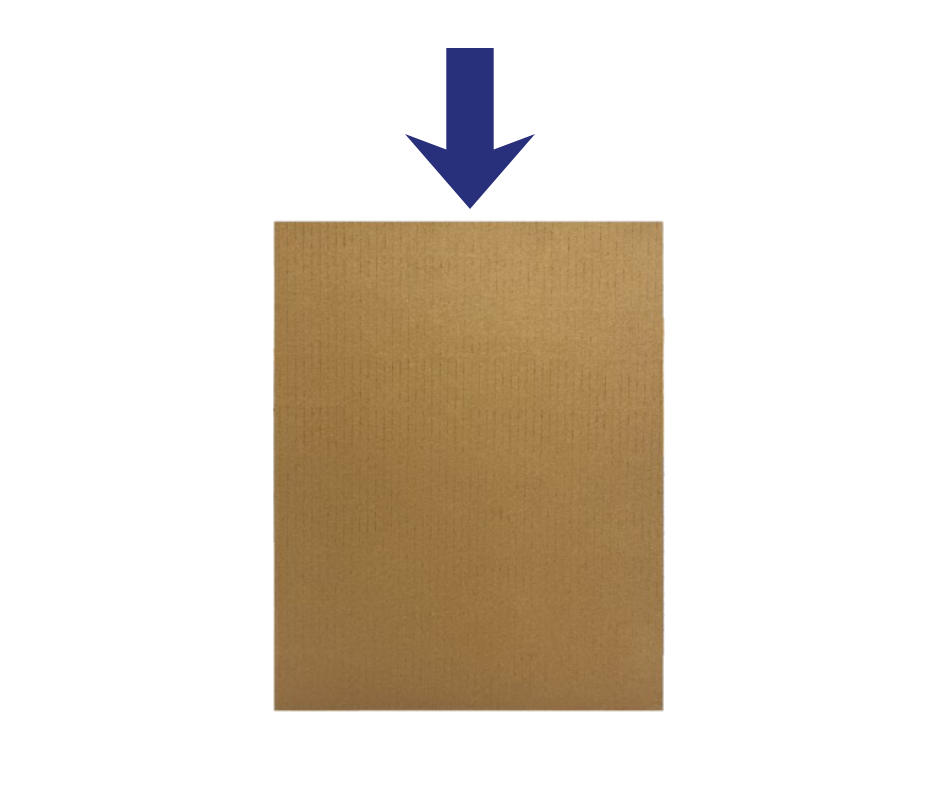
Vertical force along edge of the container

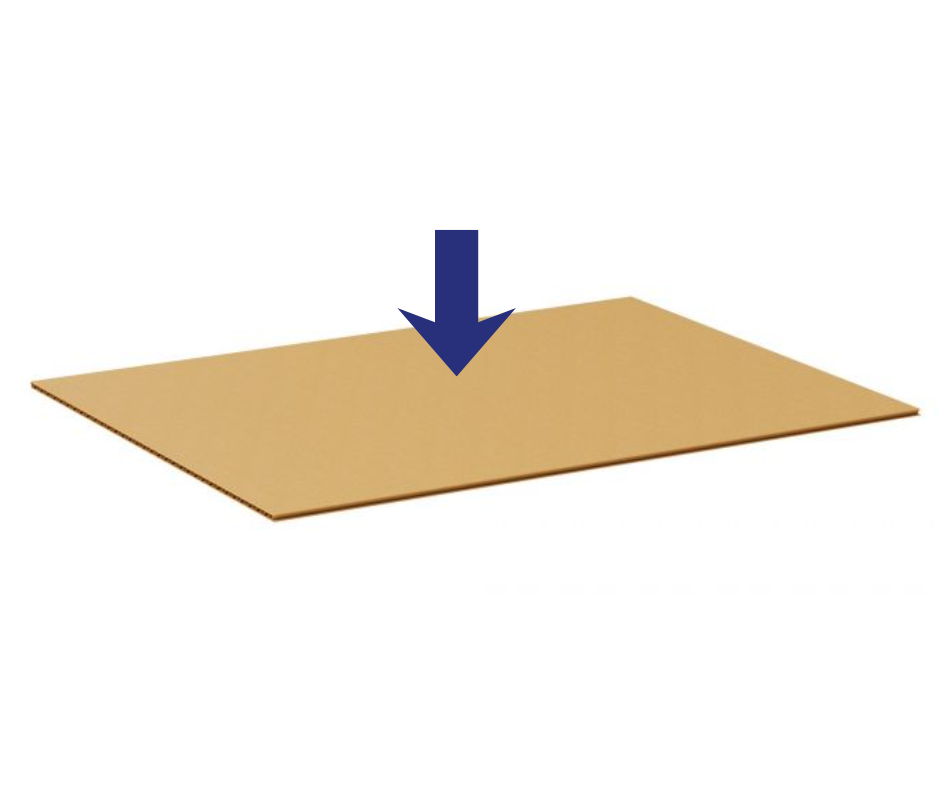
Force required to burst or puncture

| MULLEN BURST STRENGTH | EDGE CRUSH TEST | MAX WEIGHT LIMIT/CARTON |
|---|---|---|
| 125 # | 23 ECT | 20 lbs. |
| 150 # | 26 ECT | 35 lbs. |
| 175 # | 29 ECT | 50 lbs. |
| 200 # | 32 ECT | 65 lbs. |
| 275 # | 44 ECT | 95 lbs. |
| 350 # | 55 ECT | 120 lbs. |
| MULLEN BURST STRENGTH | EDGE CRUSH TEST | MAX WEIGHT LIMIT/CARTON |
|---|---|---|
| 200 # | 42 ECT | 80 lbs. |
| 275 # | 48 ECT | 100 lbs. |
| 350 # | 51 ECT | 120 lbs. |
| 400 # | 61 ECT | 140 lbs. |
| 500 # | 71 ECT | 160 lbs. |
| 600 # | 82 ECT | 180 lbs. |
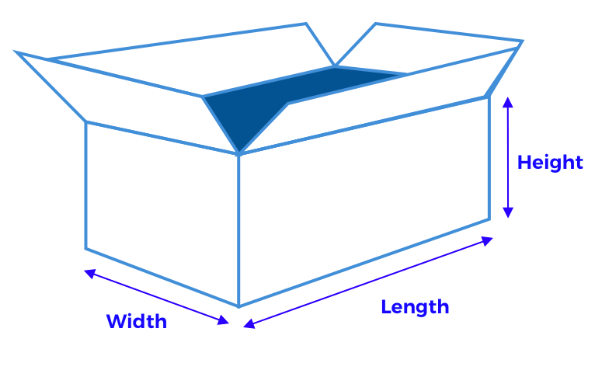
Box measurements are always expressed in the three inside dimensions: Length X Width X Height
The length and width are the opening dimensions of the box, and the length is always the larger of the two (unless they are equal).
The depth is how far you can reach into the box, and is the distance measured perpendicular to the length and width. These measurements always relate to the inside dimensions of the box.
When measuring your box think about leaving space on all sides and also above and below cushioning products. (Void Fill, Bubble, Foam, Paper)

*This is an initial recommendation. Testing may be required to validate these results.*
The formula used for this calculation is to measure the exterior of the box used, multiply the length times the width times the height, and then divide the result by 139 for Daily Rates or 166 for Retail Rates. When measuring, fractions are rounded up or down to the nearest inch.
Shippers must also account for “the bulge”: If the package is over packed or misshaped (out of square), the carriers will use the longest dimensions that their scanners will see. Boxes are ordered using interior box dimensions, but the package carriers will measure the exterior of the box, adding the board thickness and any bulge to the calculation for dimensional weight.
Kyana’s Dimensional Weight Planner will use your box size and wall thickness (single, double or triple wall) to give you an estimated dimensional weight, but remember, the parcel carriers will also measure any bulges or flaps that are not completely closed. When estimating your freight, use the greater of the box actual weight or dimensional weight.
(Please enter the inner dimensions in inches, and use decimal equivalents for fractions.)