Bonding Solutions
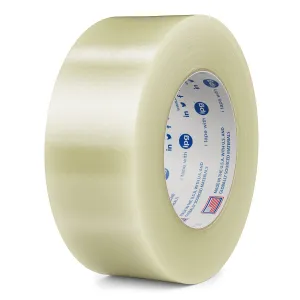
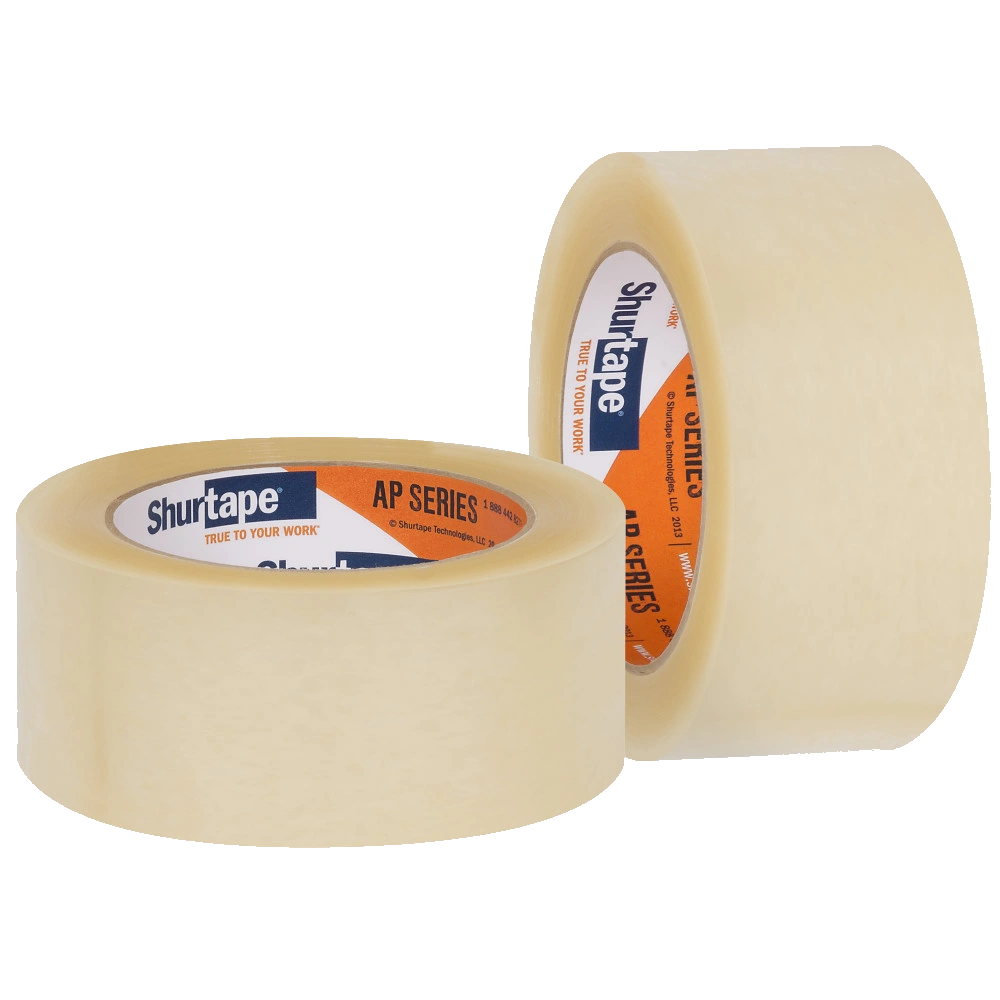
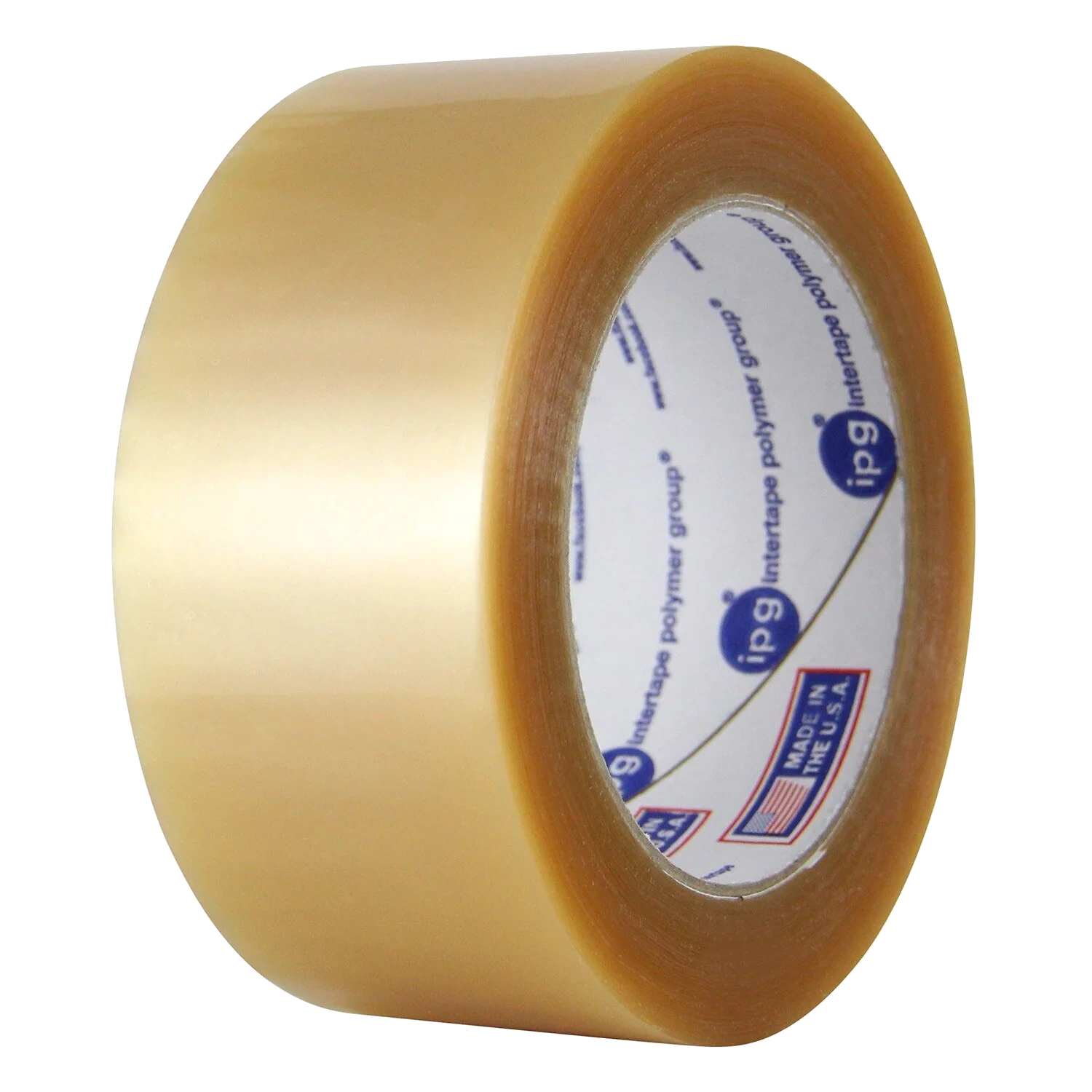
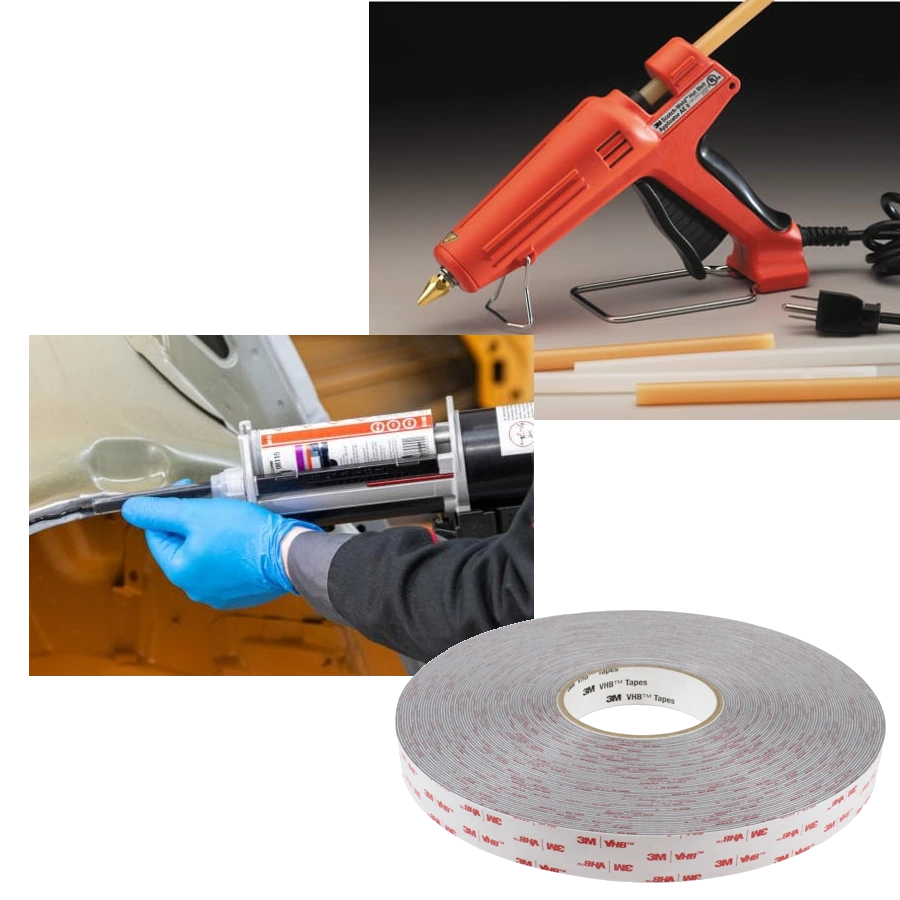
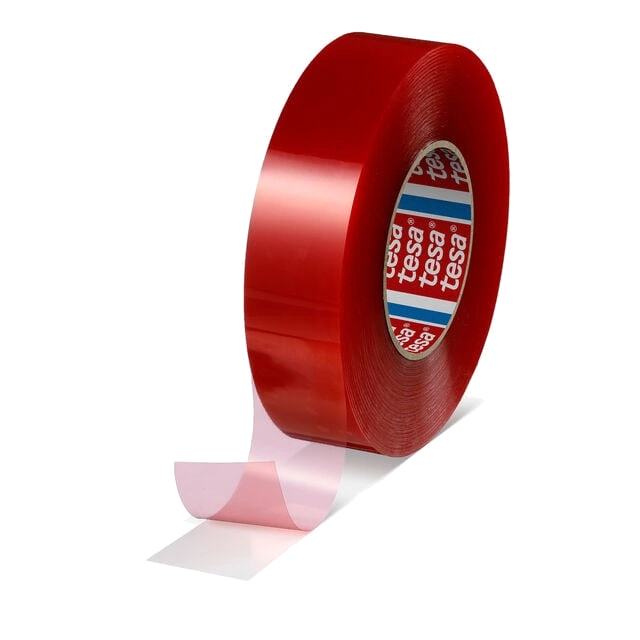
Like liquid adhesives, Bonding Tapes are often used to replace fasteners for joining structural and non-structural parts, to reduce costs, weight, and corrosion problems.
Tapes have several advantages over liquids, including the fact that they can be bonded to both low-surface-energy (LSE) and high-surface-energy (HSE) substrates. They can also be cut exactly to fit the dimensions of a part, and used for fixturing an assembly.
When choosing between liquid adhesives and bonding tapes, the decision-making process can get a bit complicated. Both types are highly versatile and can do a lot of the same jobs, so in many assemblies either will work. Sorting out the advantages of each for a given application starts with looking at the two main types of differences: process and performance.
The first consideration is the process. What parts are being joined, what materials will be used (the substrates), will the process be automated or will assembly be done by hand, how much time is available between initial joining and handling and ultimate bond strength? A process advantage of tapes is their immediate holding strength. They often can be pre-applied to one of the surfaces to speed final assemblies.
Adhesives, on the other hand, tend to allow parts to be repositionable during assembly, if exact placement is an issue. Tapes often are quicker to apply and more precise in their application. Adhesives maybe able to cover a larger surface more quickly however. Generally, adhesives can be easier to automate, since there is not a liner to remove or pressure to apply.
Adhesives, on the other hand, tend to allow parts to be repositionable during assembly, if exact placement is an issue. Tapes often are quicker to apply and more precise in their application. Adhesives maybe able to cover a larger surface more quickly however. Generally, adhesives can be easier to automate, since there is not a liner to remove or pressure to apply.