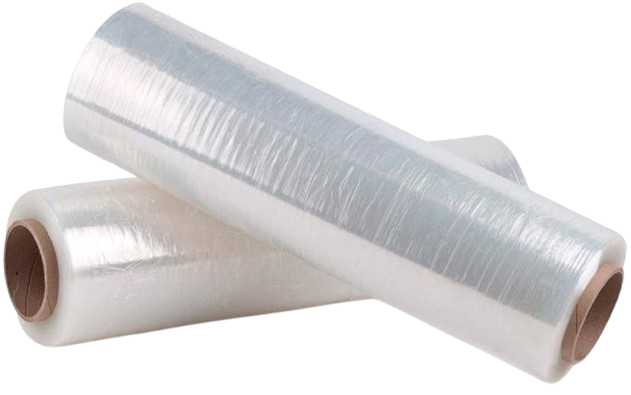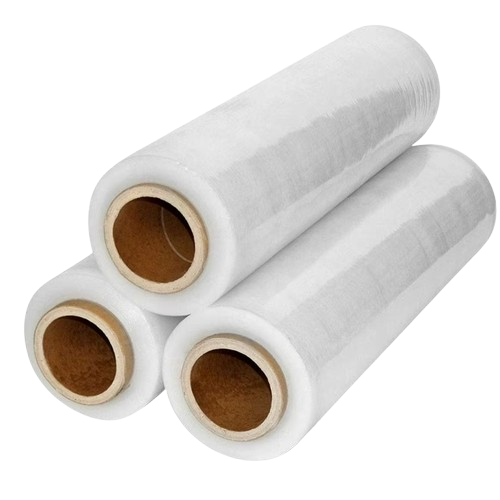
Stretch film remains the most cost effective way to contain a load.

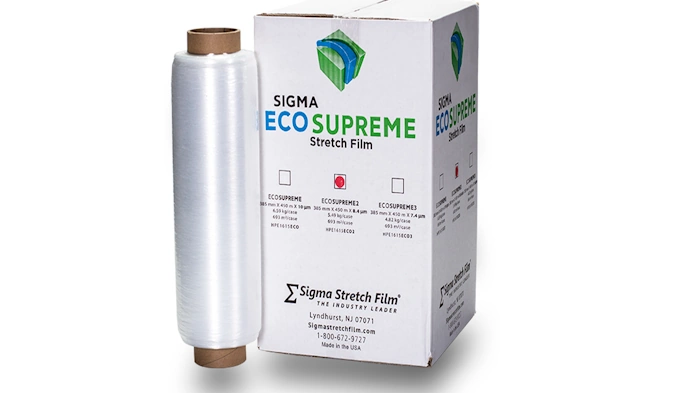
Cast stretch film is manufactured using the cast extrusion process. Typical characteristics of cast stretch films are: excellent optics, clear, glossy, superior tear resistance, quiet unwind, consistent cling and consistent film thickness. Cast Film is more effective in cold storage applications.

Manufactured using the blown film extrusion process and also referred to as blown film. Typical blown stretch film characteristics are: poorer optics and noisier unwind, but, excellent puncture resistance and capable of achieving a high force on load (load containment).


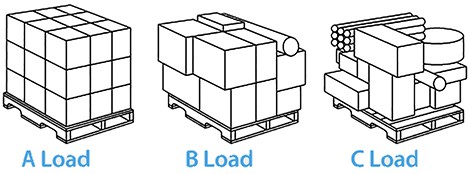
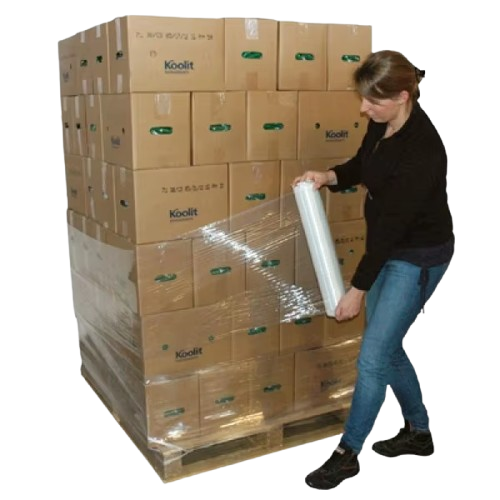
Consider hand wrapping when:
Hand film is best for lower volume or irregular loads

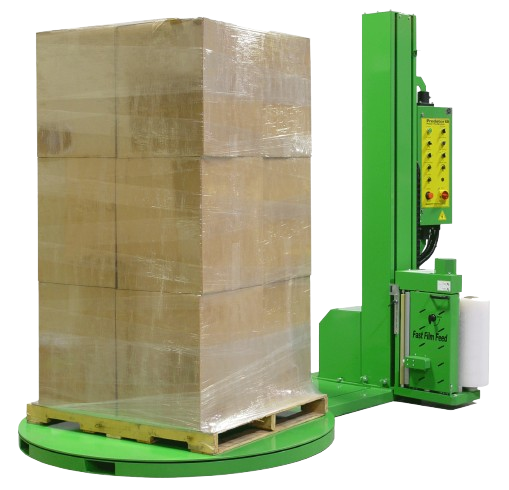
Consider machine wrapping when:
Cling is on the inside to secure the load and smooth on the outside, preventing pallets from sticking together during transit.
Cling on both sides, lower cost but can cause issues with pallets adhering to one another.


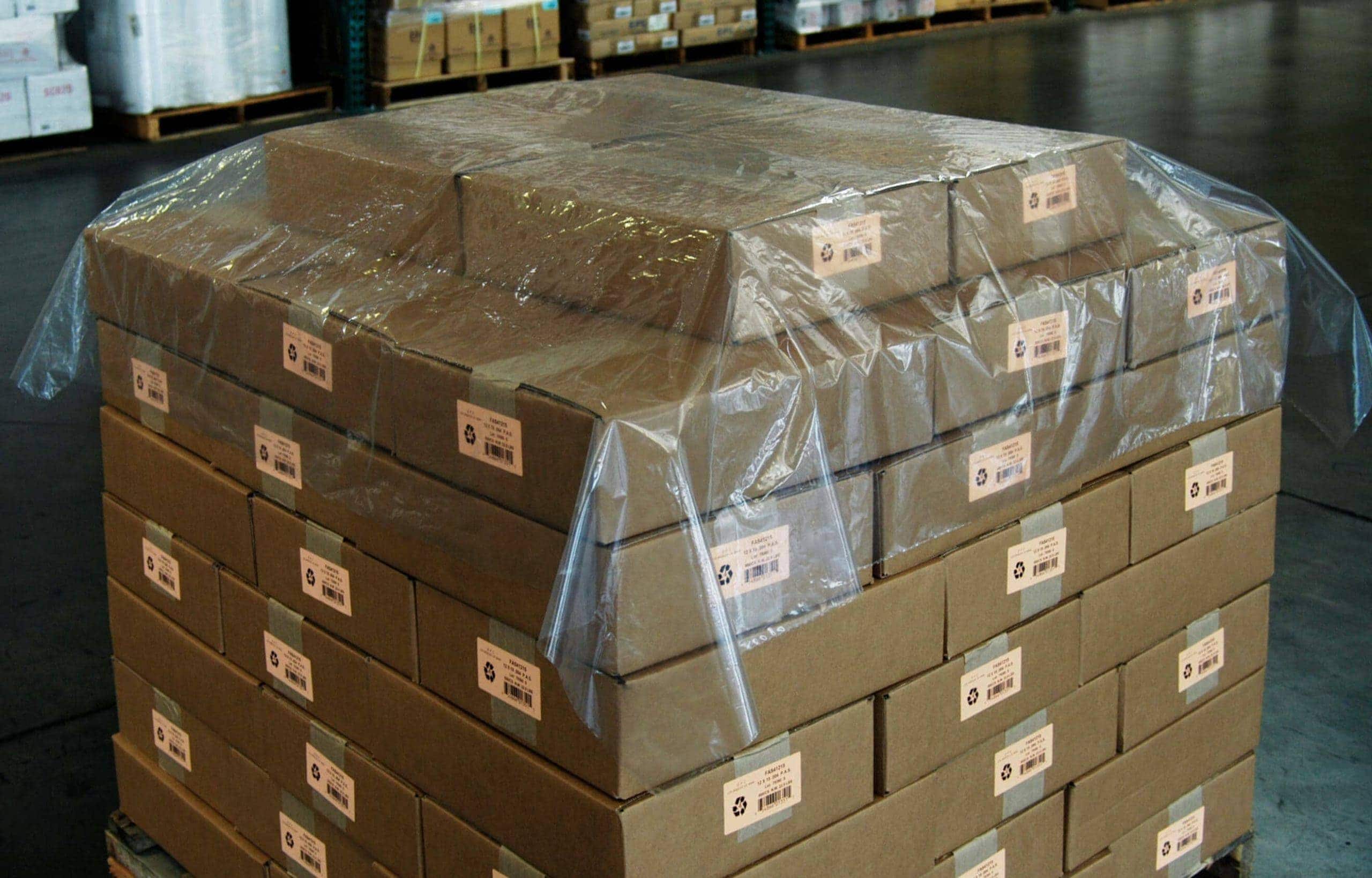
When wrapping a pallet please consider the conditions your material will shipped/stored. A top sheet might be a good solution to keep moisture or dust off your product.
Top sheets are an important factor especially during outdoor storage, transportation, or when stacking pallets. They are crucial for maintaining hygiene and adding an extra layer to prevent tampering

Pre-Stretch film is mostly used in hand applications. The most beneficial advantage to pre-stretch film vs traditional stretch film is an equal or increase in load stability with less total film used. This can improve your total cost on packaging materials.
The other benefits to using pre-stretch film:

It's easy to determinine if you are getting all of the stretch film you are paying for! Take a full roll of the film that you are currently using to a shipping scale and weigh it. You may want to measure the width of the film yourself to ensure that you are getting the full width published or enter the manufacturer’s provided information for width, length and gauge into the calculator below. The result should match the result that you got when you weighed the full roll.
Calculation used to determine result:
(Thickness (in mils) x Width (in inches) x Length (in inches)) ÷ 30,000