My Cart $-.--
Shop by Category
Quick Order
0
Home Tapes

Tapes

The four main categories of Tape

34_CartonHeader.webp
34_MaskingTapeHeader.webp
34_StrappingTapeHeader.webp
34_BondingTapeHeader.webp

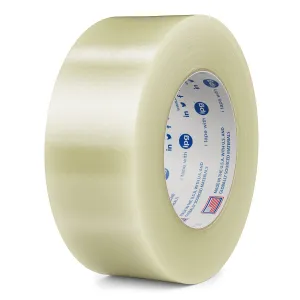
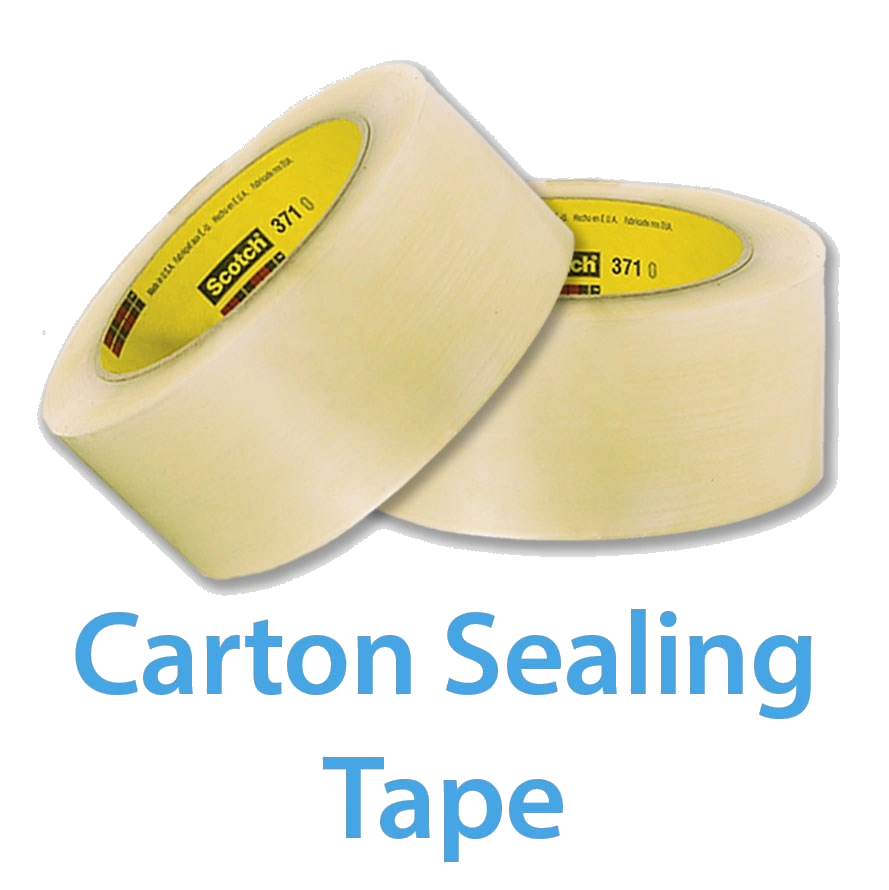
Carton Sealing Tape

There are 4 basic types of carton sealing tapes: Hot Melt, Acrylic, Natural Rubber and Water Activated

34_1100Tape.webp

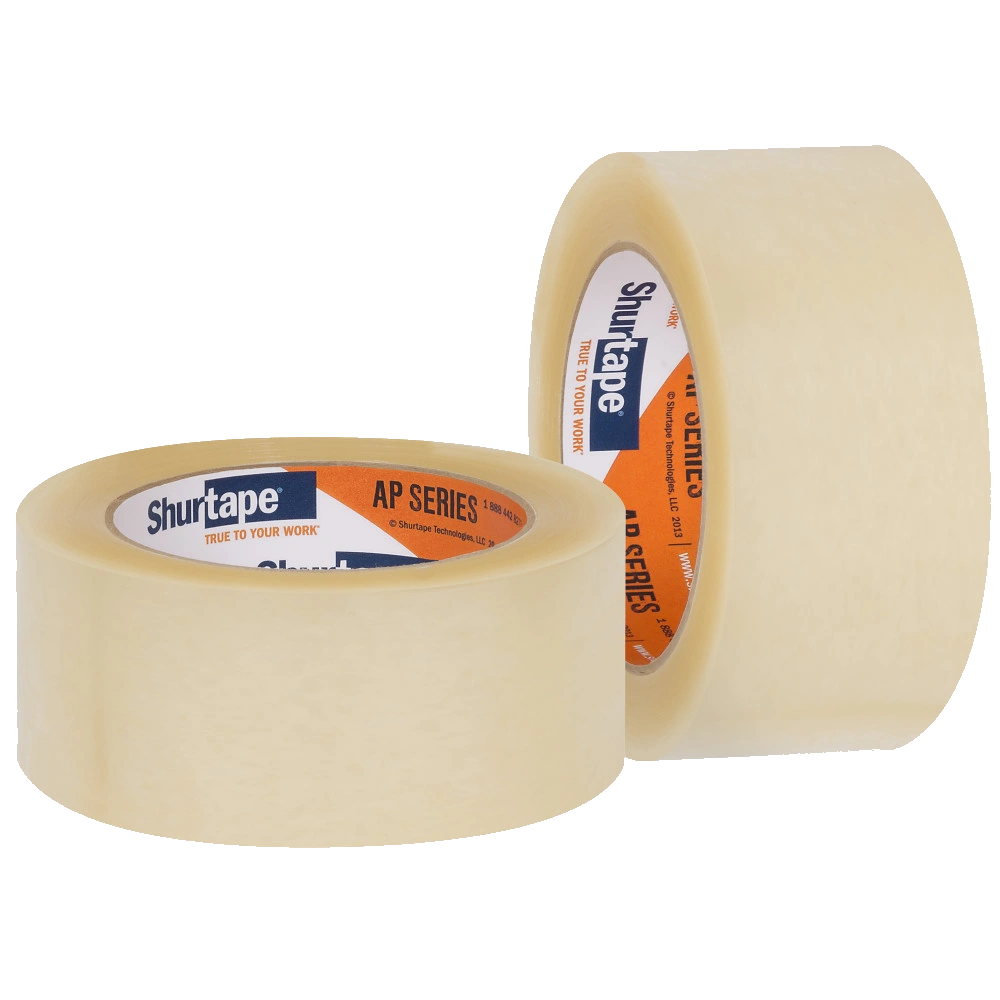
Hot Melt Adhesive Tape (Synthetic Rubber)
69% of the market

  • Highest shear adhesion properties
  • Lower temperature resistance
  • Good for overfilled cartons
  • Lower quick tack vs. Natural Rubber
  • Limited aging and ultra-violet resistance
34_Acrylic_Tape_3.webp

Acrylic Tapes
24% of the market

  • Good for freezer applications
  • UV and chemical resistant
  • Reduced yellowing
  • Reduced shear adhesion
  • Good on recycled cartons
  • Good on over filled or under filled cartons
  • Good initial tack to box board
  • Broad temperature resistance
34_Natrual_Rubber_tape.webp

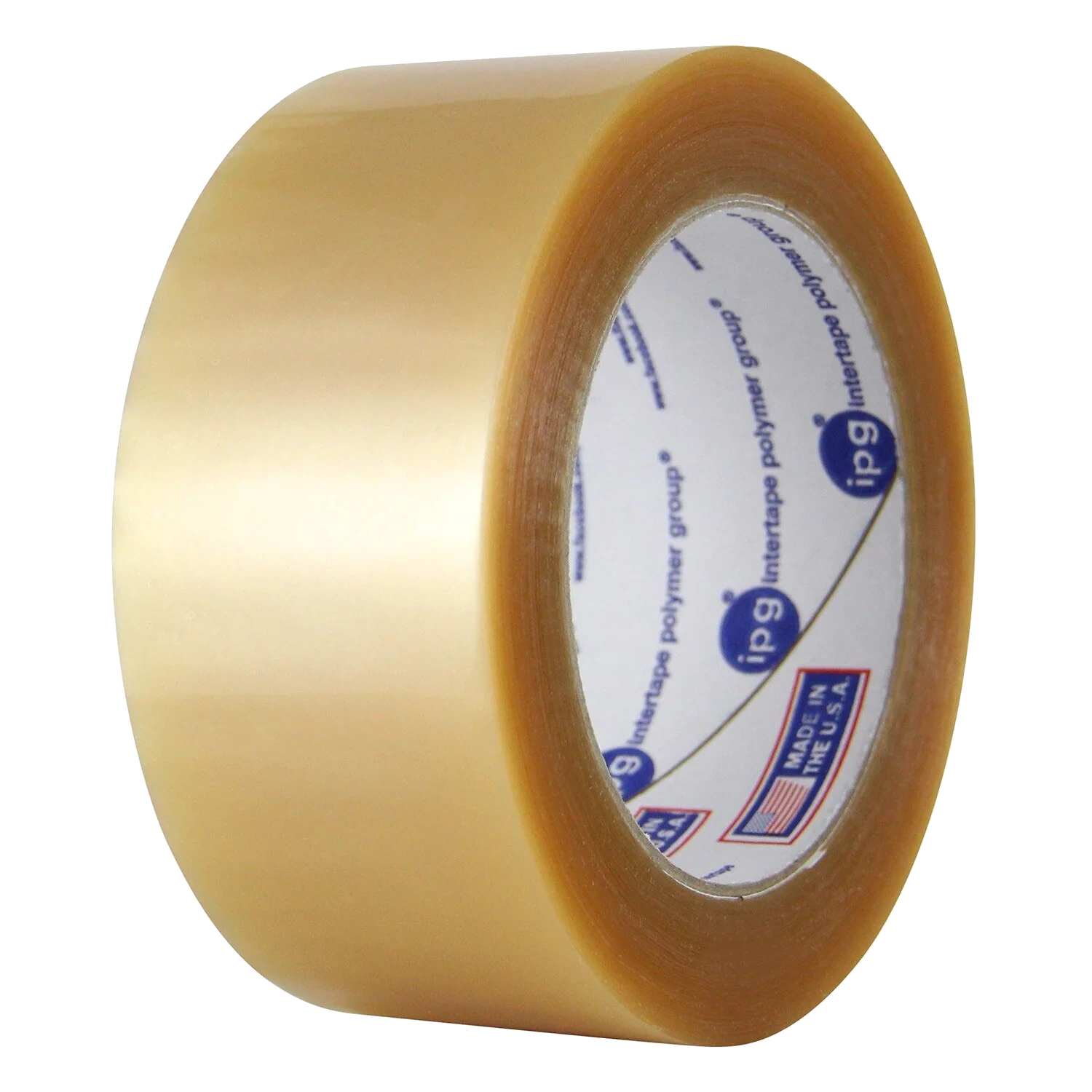
Natural Rubber Tape
7% of the Market

  • Adheres well to a variety of surfaces, under adverse conditions
  • Limited aging
  • Good for overfilled cartons
  • Broadest temperature resistance
34_TableMachine.webp

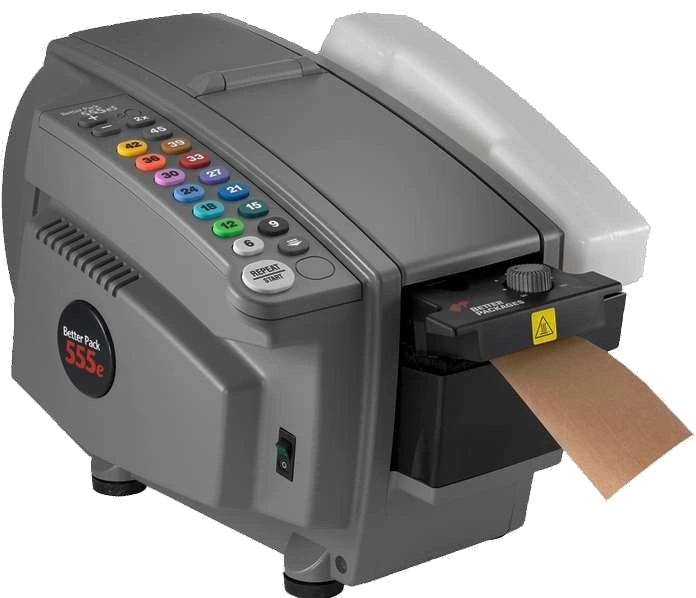
Water Activated Tape
(Gummed Tape)

  • Secure/Pilfer Proof of Closure
  • Theft Proof, Permanent, DESTUCTIVE Bond
  • Universal Closure System for a variety of applications
    • Dusty, Dirty, Recycled and Reused Cartons
    • Under/Overfilled cartons
    • Freeze/Cold Applications
  • Easy identification through custom printing
34_Masking.webp

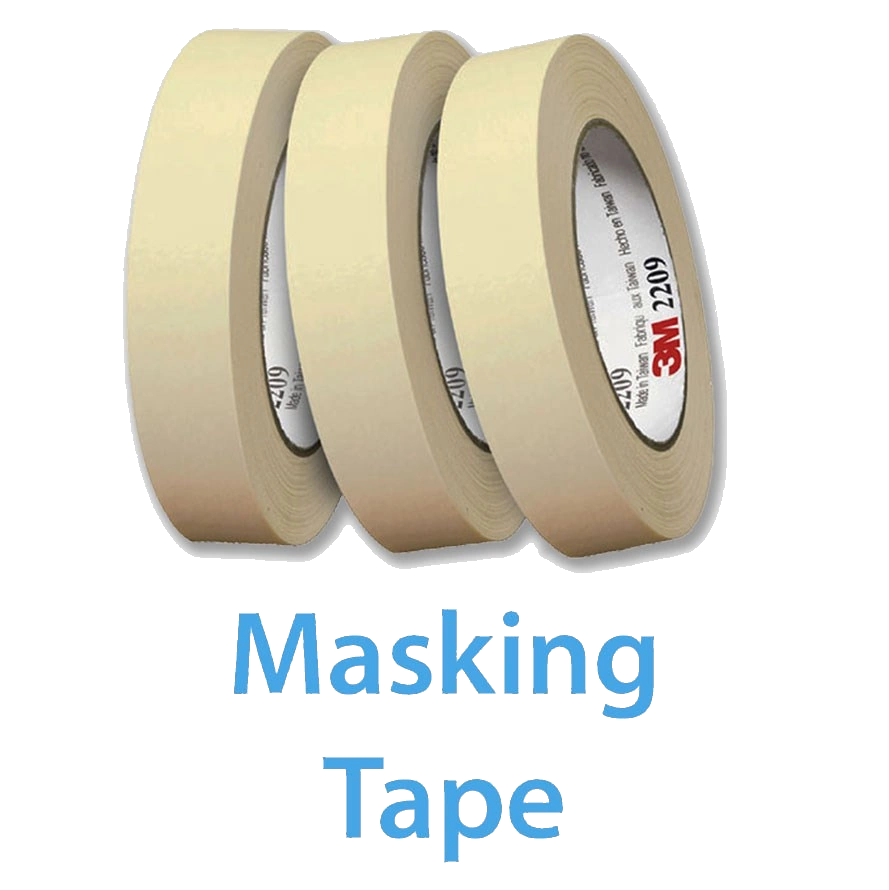
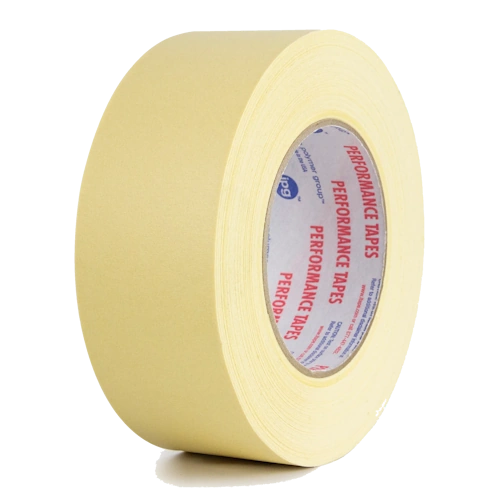
Masking Tape

Masking tape has a wide array of applications, temperature ranges, surface characteristics, and it is not limited solely to painting. When Masking tape is used for painting, it provides clean lines and can be easily removed without destroying the material it has been applied to.

There are lots of applications besides painting for masking tape. Here are a few:

  • Powder coating
  • Sandblasting
  • Identification and marking
  • Bundling
34_FilamentTape.webp

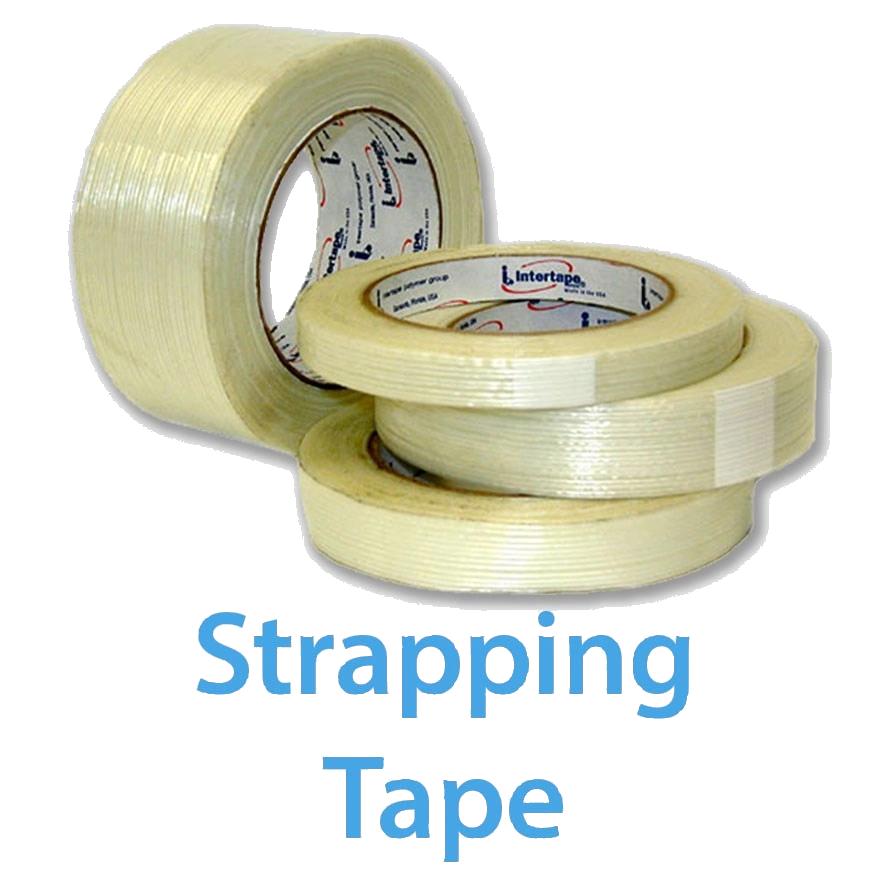
Strapping or Filament Tape

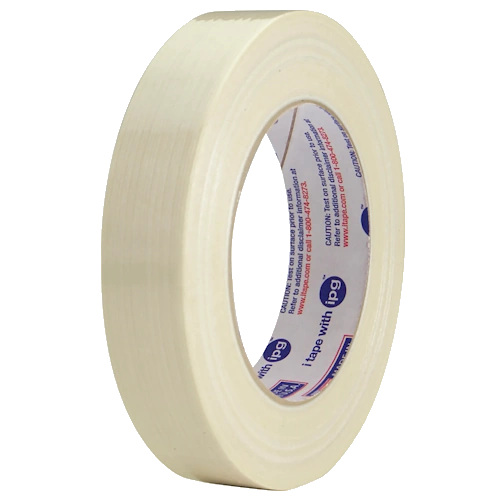
Strapping Tapes have reinforcements of tensilized polypropylene (TPP), polyester yarn or glass yarn filaments, with a variety of tensile strengths and adhesive types, including: natural rubber, synthetic rubber, modified synthetic rubber, and clean removal.

A variety of grades of strapping tape are available. Some have as much as 600 pounds of tensile strength per inch of width. Different types and grades of adhesive are also available.

Bonding Solutions

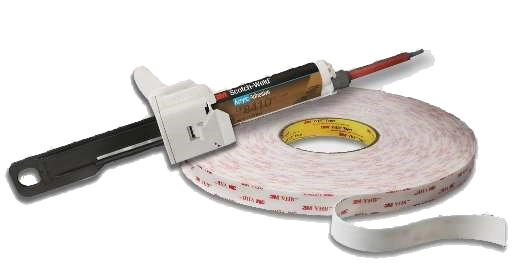
Like liquid adhesives, Bonding Tapes are often used to replace fasteners for joining structural and non-structural parts, to reduce costs, weight, and corrosion problems.

Tapes have several advantages over liquids, including the fact that they can be bonded to both low-surface-energy (LSE) and high-surface-energy (HSE) substrates. They can also be cut exactly to fit the dimensions of a part, and used for fixturing an assembly.

When choosing between liquid adhesives and bonding tapes, the decision-making process can get a bit complicated. Both types are highly versatile and can do a lot of the same jobs, so in many assemblies either will work. Sorting out the advantages of each for a given application starts with looking at the two main types of differences: process and performance.

34_BondingSolutions.webp

The first consideration is the process. What parts are being joined, what materials will be used (the substrates), will the process be automated or will assembly be done by hand, how much time is available between initial joining and handling and ultimate bond strength? A process advantage of tapes is their immediate holding strength. They often can be pre-applied to one of the surfaces to speed final assemblies.

Adhesives, on the other hand, tend to allow parts to be repositionable during assembly, if exact placement is an issue. Tapes often are quicker to apply and more precise in their application. Adhesives maybe able to cover a larger surface more quickly however. Generally, adhesives can be easier to automate, since there is not a liner to remove or pressure to apply.

The second variable is performance. Tapes provide a clean application with a uniform thickness between the substrates. Tapes can be designed to have high elongation which can provide flexibility at the joint, absorbing vibrations and impacts.

Since the ultimate strength of the joint depends on the application, in many applications tapes can easily replace screws, rivet and welds providing a cleaner, more “finished” appearance. The performance advantages of adhesives over tapes can be summed up as a wider range of strengths, plus their curing chemistries can attain higher performance than most tapes for structural applications.

Tapes are also limited in how thick they can get so they're not as good as liquids for gap filling.
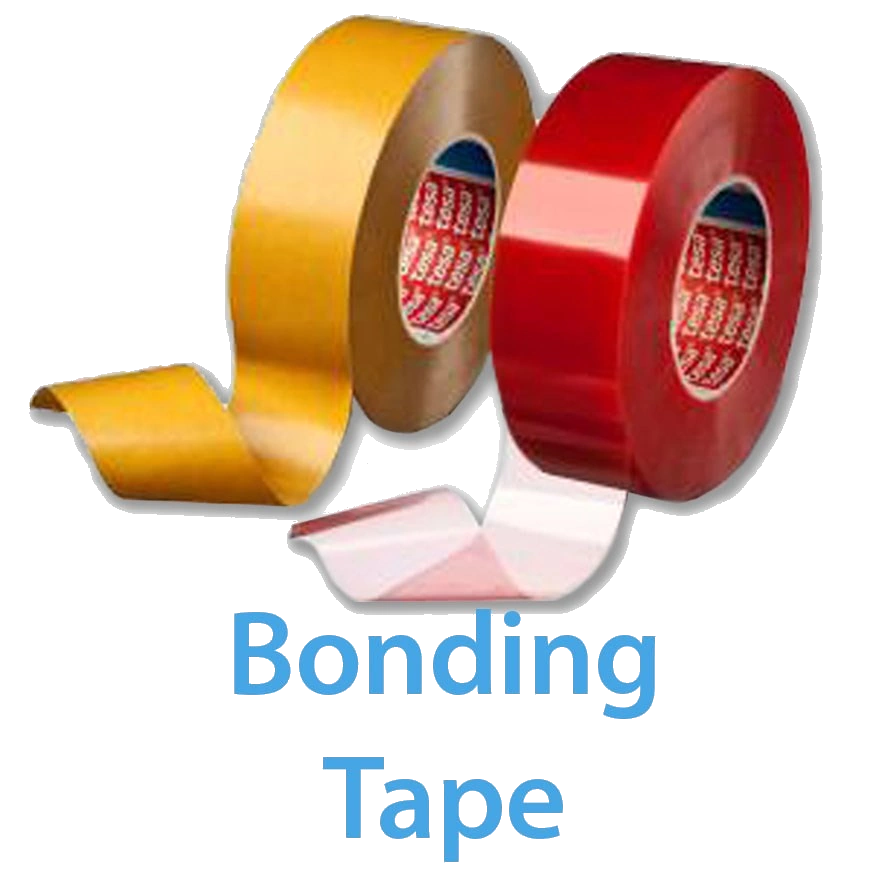
Bonding Tapes

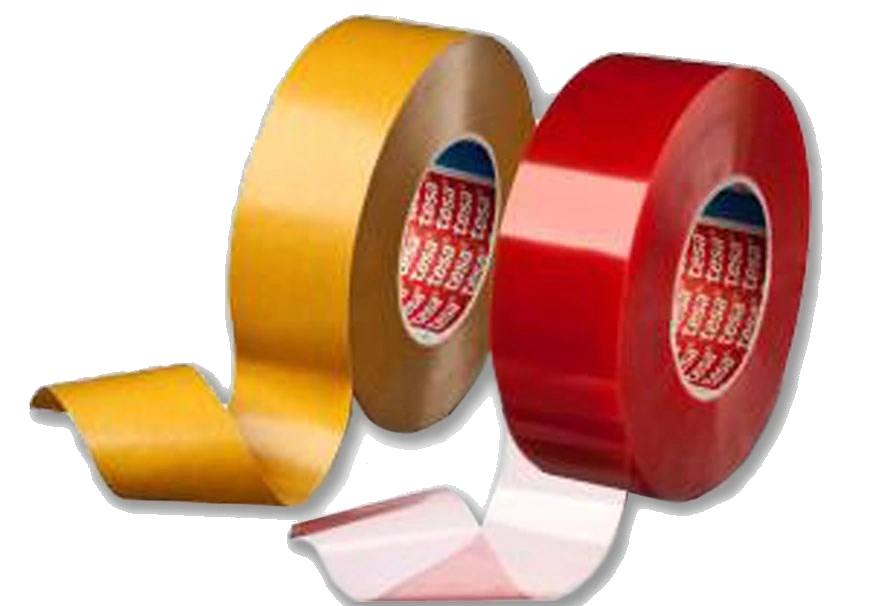
Bonding Tapes provide a durable bonding solution with a high degree of conformability, gap filling, and stress relaxation properties. Bonding Tapes will enhance appearance, improve performance and process. These tapes have pressure sensitive adhesive on two sides to bond substrates with strength that range from permanent to permanently repositionable. Bonding Tape works on a wide range of substrates from metal to paper.

Applications

  • Replace spot welds, screws, rivet
  • Create a gasket where metal fasteners are used
  • Metal to Glass bonding
  • Door Glass Bonding
  • Decorative trims
  • Glazing
  • Name Plates & Sign Construction
  • Replaces metal fasteners and alleviates rust
  • No adhesive cure time
  • High conformability and extremely high internal strength
  • Excellent weather resistance & durability
  • Reduced risk of leaking - from drilled holes
  • Smoother, more aesthetically pleasing finished product - no unsightly screw heads
  • Provides vibration dampening and moisture barrier